
LIFE AFTER HANK. (POST WWII-1950’s)
After Hank Greenberg retired as an active ballplayer following the 1947 season, few in baseball ever again doubted that Jewish baseball players could be competitors worthy of respect, not only as ballplayers, but as human beings.
However, it remained unclear who, if anyone, would become the next hero of Jewish baseball fans. Fortunately, the wait for a new Jewish baseball star did not last long.
The proudly Jewish Al Rosen of the Cleveland Indians, who would literally fight any Antisemite who crossed paths with him, soon became that person. Sadly, Rosen's All-Star career was cut short by injury and it was not until many decades later that another Jewish slugger, Shawn Green, succeeded him.
While several Jewish ballplayers, such as Brooklyn Dodger Cal Abrams, became Jewish fan favorites during this period, none achieved star status. Some of this scarcity, though certainly not all, can be attributed to the fact that many major league careers were derailed by the Korean War.
There also were significant, though non-playing, Jewish baseball persona who emerged during the period. For example, Mel Allen, a broadcaster from the Deep South who was nicknamed The Voice, became famous nationwide for his NY Yankees broadcasts, In addition, Allan Roth, The Father of Sabrmetrics, began to lead baseball from a seat-of-the-pants operation into the modern Age of Statistics.
ONE TOUGH JEW
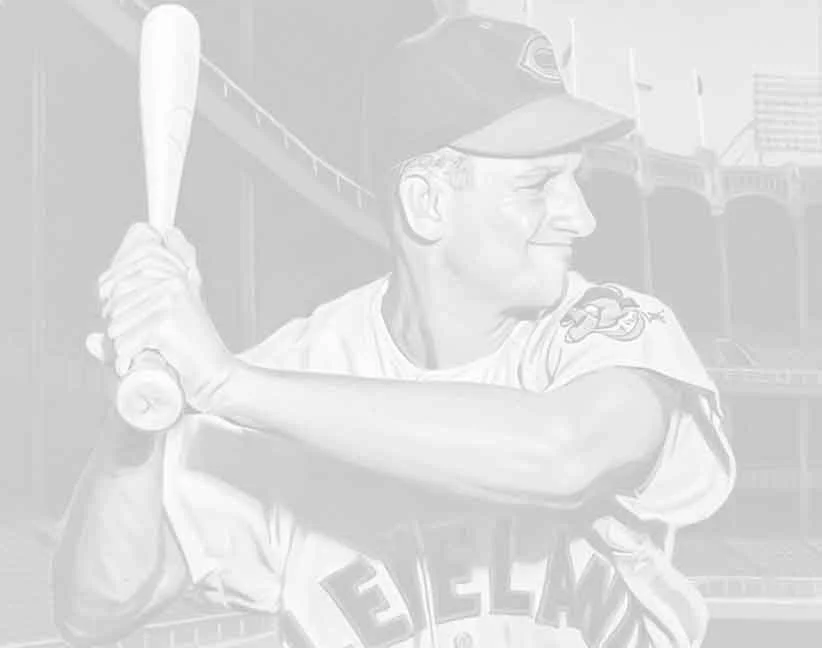
AL 'FLIP' ROSEN (1924-2015)
OIL ON CANVAS, FOR HEART OF THE GAME, by andy jurinko, 16x20
ANDY JURINKO (1999)
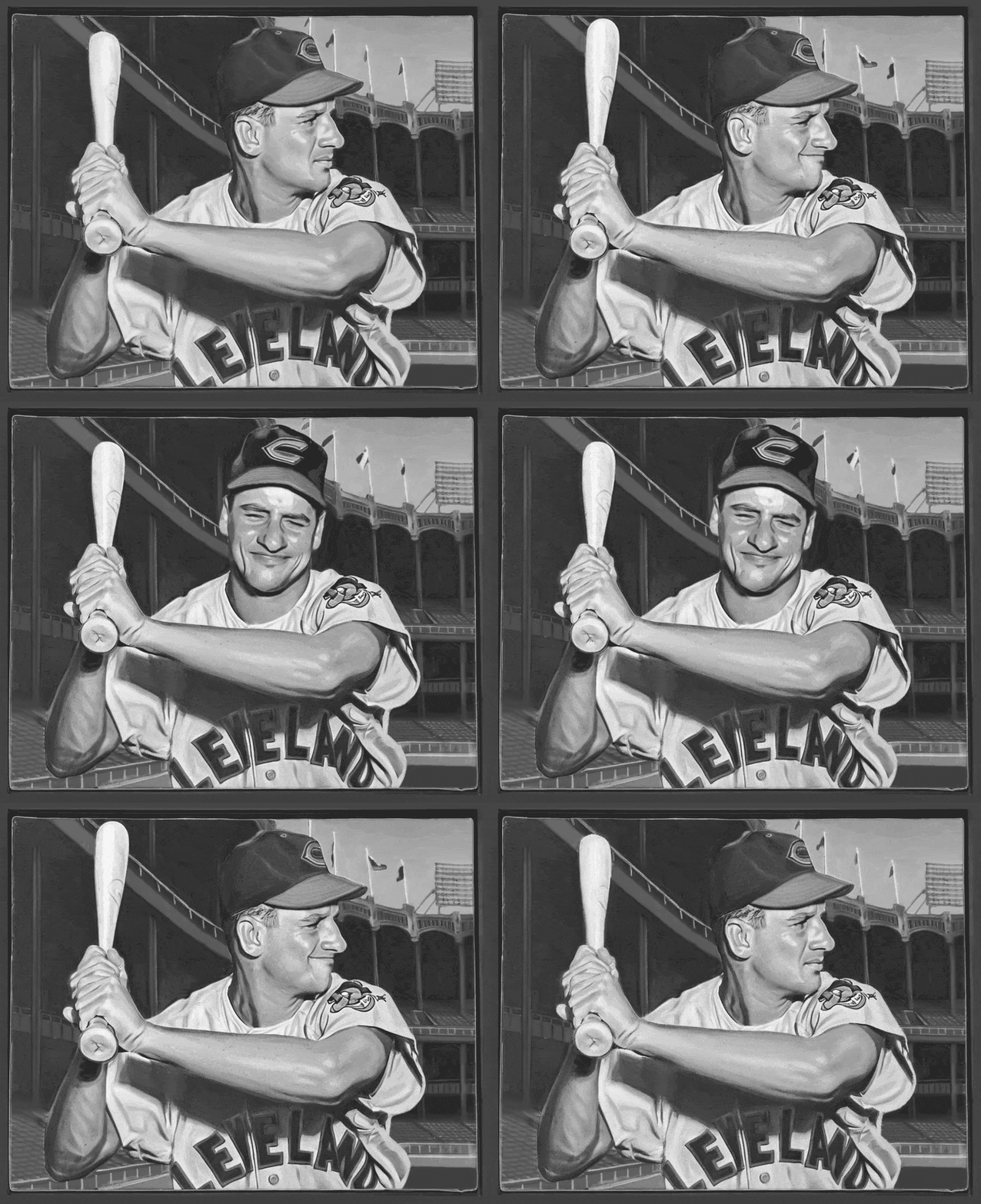
Al was a superstar 3B for the Cleveland Indians his entire career. He was labelled ‘One Tough Jew’ because he tolerated no Antisemitism and believed: "There's a time that enough is enough...You flatten them." Al was so proud of his Judaism that he wanted to make his name even more Jewish after he was wrongly identified as a Catholic by famed TV star & columnist Ed Sullivan. When asked how others should view him, Al responded: "Here comes one Jewish kid that every Jew in the world can be proud of." He also had been a champion middleweight collegiate boxer in Florida, despite childhood asthma, having learned to fight as a kid in his rough Miami neighborhood called Little Havana. Known for his fearlessness, Al broke his nose eleven times during his athletic career. He served valiantly during WW2, even navigating a Navy assault boat at The Battle of Okinawa. In 1948, he was the first unanimously elected AL MVP, but lost his bid for prestigious The Triple Crown on his last At Bat of the season. After agreeing to switch to 1B in 1954 solely to help his team, Al suffered a hand injury there which caused an early end to what would have been a much longer, and surely a Hall of Fame, career. He had a very successful second career as a baseball executive for 3 Major League teams, with Al's crowning achievement being his leading the SF Giants from last place the year before to the NL championship in 1987. Having been born on February 29th, Al famously remarked on his 80th birthday: "Heck, I'm not even legal yet!" (See cartoon text itself for additional info.)
BIO-ILLUSTRATION DRAWING (WITH A COPY CONTAINING DIGITALLY ADDED TEXT), FOR SPORTS COLLECTORS DIGEST, 7x11 (EACH IMAGE)
RONNIE JOYNER (C. 2010)
WHEATIES AD ON COMIC BOOK BACK COVER, 7x10
UNCREDITED ARTIST (1949)
[Not Original]
THE COACH OF SUMMER
JAKE PITLER (1894-1968)
ACRYLIC ON CANVAS, 18x24
JOHN GIANCASPRO (2026)
Jake was a Cup of Coffee 2B from Pittsburgh who became the legendary 1B coach of the Brooklyn Dodgers. As a poor child, Jake sold newspapers on street corners and was a peanut vendor at Forbes Field. His claim to fame as a ballplayer came in 1917 when he set the Major League record for putouts (15) in a game by a 2B, in what was then the longest NL game ever played (22 innings). Jake was banished from the Majors for nine years for having jumped to the outlaw Mexican League to make more money. As a minor league manager, Jake would 'plan' fiery arguments with opposing managers to liven up the game for the fans. He befriended Jackie Robinson during Jackie's rookie season and they became lifelong friends. Jake was a humanitarian whose charity was cited by Pulitzer Prize-winning poetess Marianne Moore in an acclaimed baseball poem which mentioned that Jake insisted all proceeds raised on the two Jake Pitler Nights at Ebbetts Field be donated to the children's wing of a local non-sectarian hospital which served the underprivileged and disabled. When the Dodgers left Brooklyn, Jake declined their invite to move West because of his love for NY.
DRAWING FOR BASEBALL CARD IN ronnie Joyner’s 1957 BROOKLYN DODGERS COMMEMORATIVE SET, 5x6
RONNIE JOYNER (2011)
THE BASEBALL CARD
RONNIE JOYNER (2011)
THE FATHER OF SABERMETRICS
ALLAN ROTH (1917-1992)
ACRYLIC ON CANVAS, 16x20
BEENA MCMAHAN (2024)
Allan was a Canadian statistician who changed how baseball was managed, but didn't even do his own taxes and couldn't remember his own phone number. He was called The Father of Sabermetrics and The Flesh & Blood Mechanical Brain. Allan created what he called ‘The Equation’ to analyze on-base percentage and other baseball stats, and also created the Saves statistic. Allan helped Sandy Koufax understand the importance of throwing first pitch strikes, and so is credited in part for turning around Sandy's career. Allan worked for the Dodgers from 1947 to 1964, with his first game being the same as Jackie Robinson's debut. Allan was the first statistician hired full-time by a Major League team, but years later he was fired by the historically ultra-liberal Dodgers for having an inter-racial extramarital relationship. Allan later wrote for The Sporting News, was invaluable to the legendary Vin Scully on Dodgers’ broadcasts, and assisted Curt Gowdy & Tony Kubek on NBC’s ‘Game of the Week’, All-Star and World Series games. Although he never stepped foot on a baseball diamond during his career, he nevertheless was inducted into the Canadian Baseball Hall of Fame.
A DODGER FOREVER
CAL ABRAMS (1924-1997)
OIL ON LINEN CANVAS, 16x20
BART FORBES (2024)
A Brooklyn boy all his life, Cal was a journeyman OF, principally for the Brooklyn Dodgers. He is considered to be one of the legendary Boys of Summer, having played for the Dodgers during their glory days in the 1950's. A NY Post headline about Abrams once read: "Mantle, Schmantle, Long as We Got Abie." Cal was the last to wear no. 32 for the Dodgers before Sandy Koufax, but later switched to no. 18 because it signifies Chai - i.e. Life - in the Jewish religion. Cal was so popular with fans and fellow ballplayers that, most unusually, he was given a Cal Abrams Night by two of his teams. The Dodgers held such a tribute for Cal even though he supposedly cost them the 1950 NL pennant by being thrown out at home plate in the bottom of the 9th in the last game of the season - though it was later determined that the baserunning error had actually been the fault of the 3B coach who improperly waved him home. That baserunning gaffe notwithstanding, Cal was a lifelong Dodgers fan and was buried in his no. 18 Dodgers uniform.
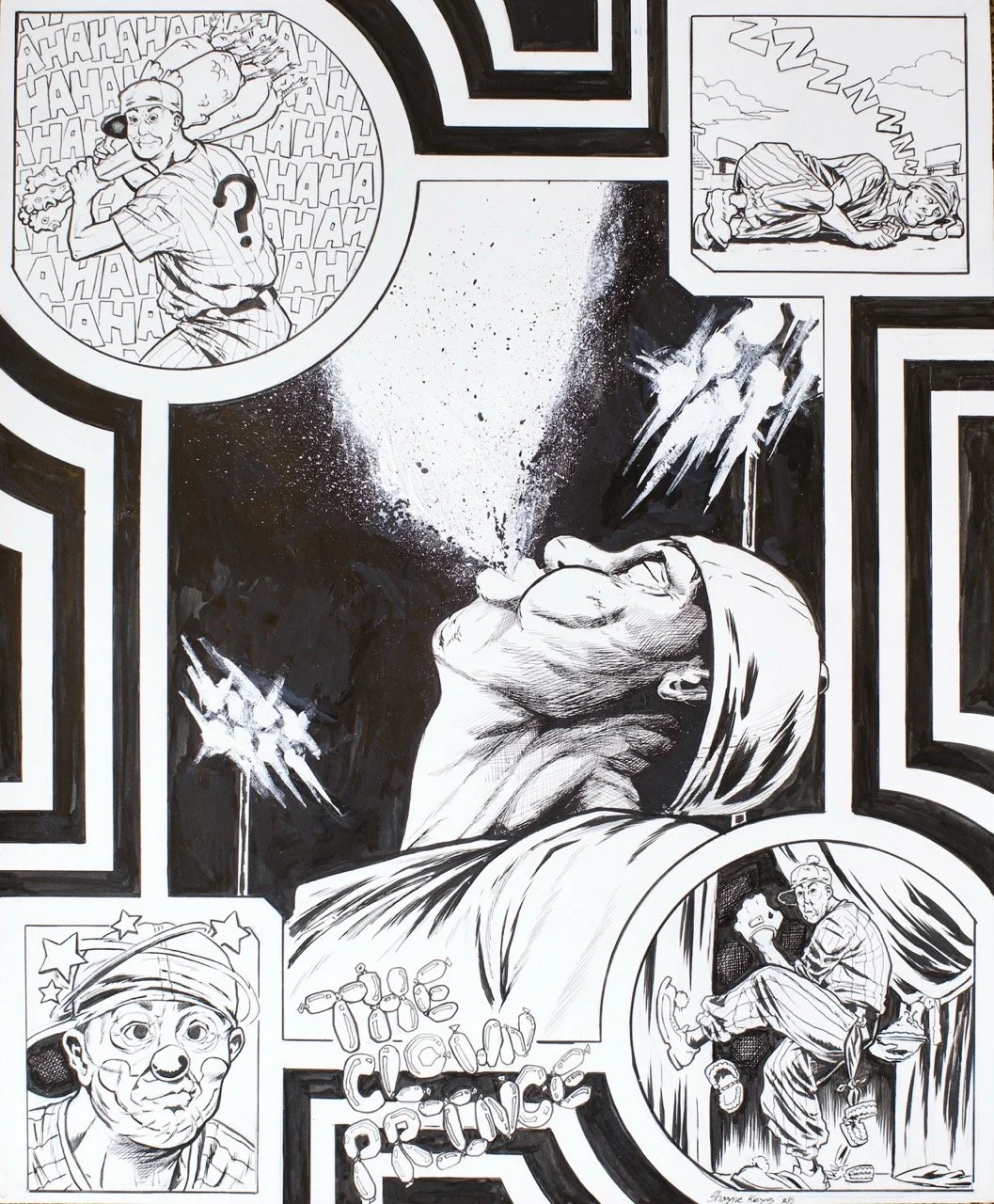
GOOFY
MAX PATKIN (1920-1999)
INK AND WHITE GOUACHE, ON BRISTOL, 16x20
SHAYNE KEYS (2025)
Max was a minor league pitcher and then a coach, before gaining fame as the second Clown Prince of Baseball. He used his funny looks and contortionist body, as well as corny humor, to amuse baseball fans everywhere. Hailing from Philadelphia but performing nationwide more than 50,000 times over a 50-year career ending in 1993, Max never missed a scheduled appearance. He always wore a baggy uniform with a question mark rather than a number sewn on the back, a cap tilted sideways and a child's baseball glove. Max's clowning career began in the Navy when, as a pitcher, he mimicked Joe DiMaggio, who had just hit a HR off him, rounding the bases. Cleveland Indians owner Bill Veeck eventually hired Max to coach in order to drive the other teams crazy with Max's antics. He also was a great dancer who might have had a Hollywood career except that fellow Jew & movie mogul Busby Berkeley told Max that ‘he was too Jewish-looking'. He did, however, make it to Hollywood as an actor by playing himself in the epic baseball movie Bull Durham, working alongside stars Kevin Costner and Susan Sarandon.
HAND-COLORED PUBLIC RELATIONS PHOTO, 14x18
UNCREDITED ARTIST (1950's)
THE BABE RUTH OF BP
LOU LIMMER (1925-2007)
BIO-ILLUSTRATION Drawing (WITH A COPY CONTAining digitally added text), FOR SPORTS COLLECTORS DIGEST, 7x11 (each image)
RONNIE JOYNER (2021)
Lou had a short Major League career, but during that time gained a reputation for hitting HR after HR during Batting Practice, hence his nickname ‘The Babe Ruth of BP’. (See cartoon text itself for additional info.)
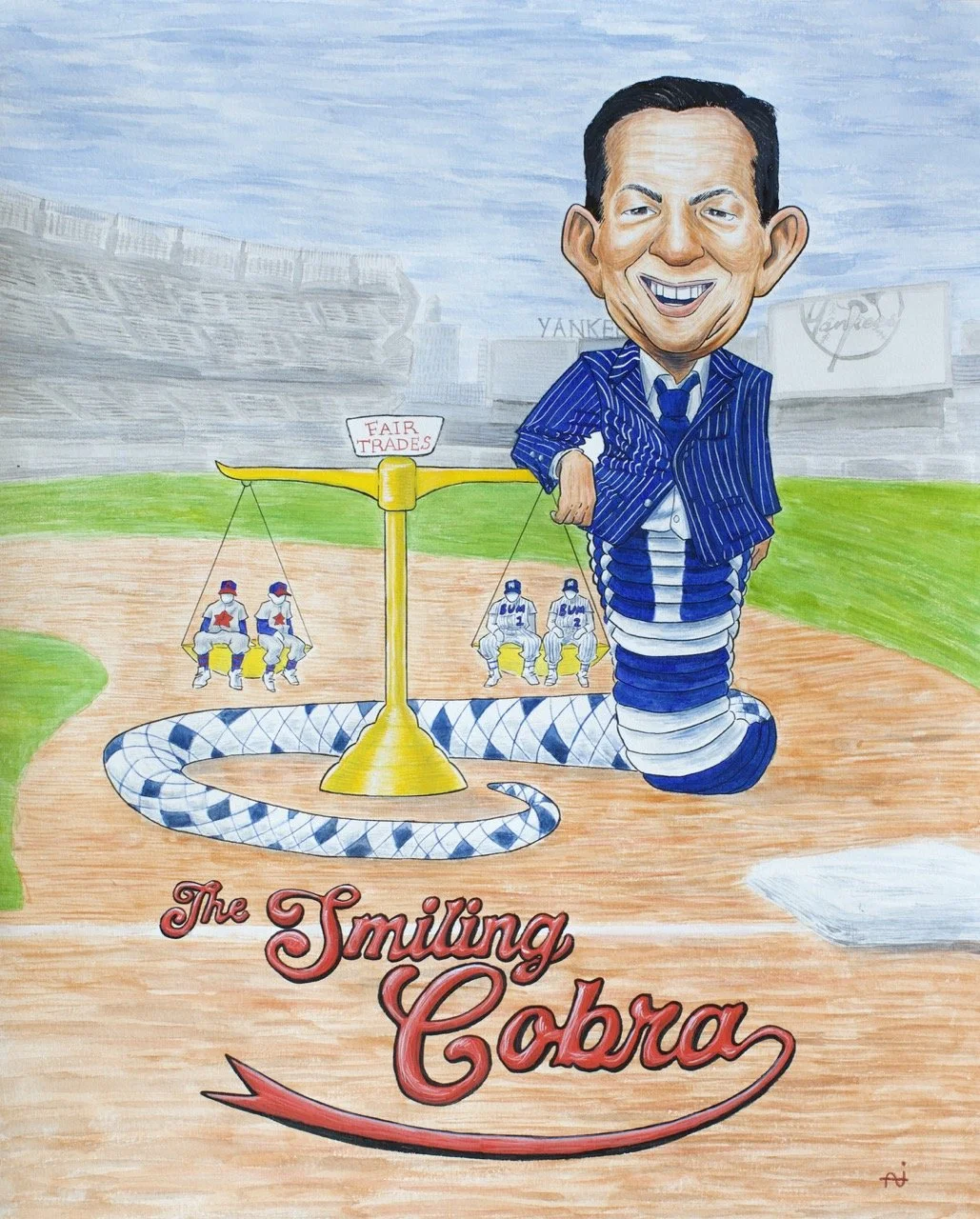
WATERCOLOR & COLORED PENCIL, ON WATERCOLOR PAPER, 16x20
ARISTIDES ULLOA (2025)
THE SMILING COBRA
GABE PAUL (1910-1998)
Gabe was the wily General manager of four Major League teams. His favorite saying was There is no substitute for talent. He is best known for rebuilding the 1970's NY Yankees, labelled The Bronx Zoo, into a championship team. Gabe spent over 60 years in baseball after beginning as a 10-year-old minor league batboy in upstate NY. Gabe acquired The Smiling Cobra nickname due to his trading acumen, and twice was voted Sporting News Executive of the Year. In the early 1950’s, Gabe ordered his Cincinnati Reds' scouts to sign African-American players in order to break the team's color barrier. This resulted in the acquisition of such stars as future HOFer Frank Robinson. He also affiliated the Reds with Cuba’s Havana Sugar Kings team in order to cultivate the signing of Latino talent. That resulted in the signing, among others, of Tony Perez, the first of the core players assembled by Gabe who later became The Big Red Machine’s mid-1970’s dynasty. In 1957, Gabe conspired with local newspapers in a plot to stuff All-Star Game ballot boxes in favor of Cincinnati players, but Commissioner Ford Frick overturned the results and baseball fans then lost the right for a decade to vote for their All-Star selections. In the mid-1950's, Gabe temporarily renamed his Cincinnati Reds The Redlegs because of anti-communist hysteria in America. A baseball insider once remarked that he "...wanted to stand next to Gabe Paul when they drop the Atomic bomb, because Paul is a survivor! "
CARTOON ON COVER OF THE SPORTING NEWS, 11x16
WEISE (1960)
[Not Original]
CARTOON ON COVER OF THE SPORTING NEWS, 11x16
LOU DARVAS (1958)
[Not Original]
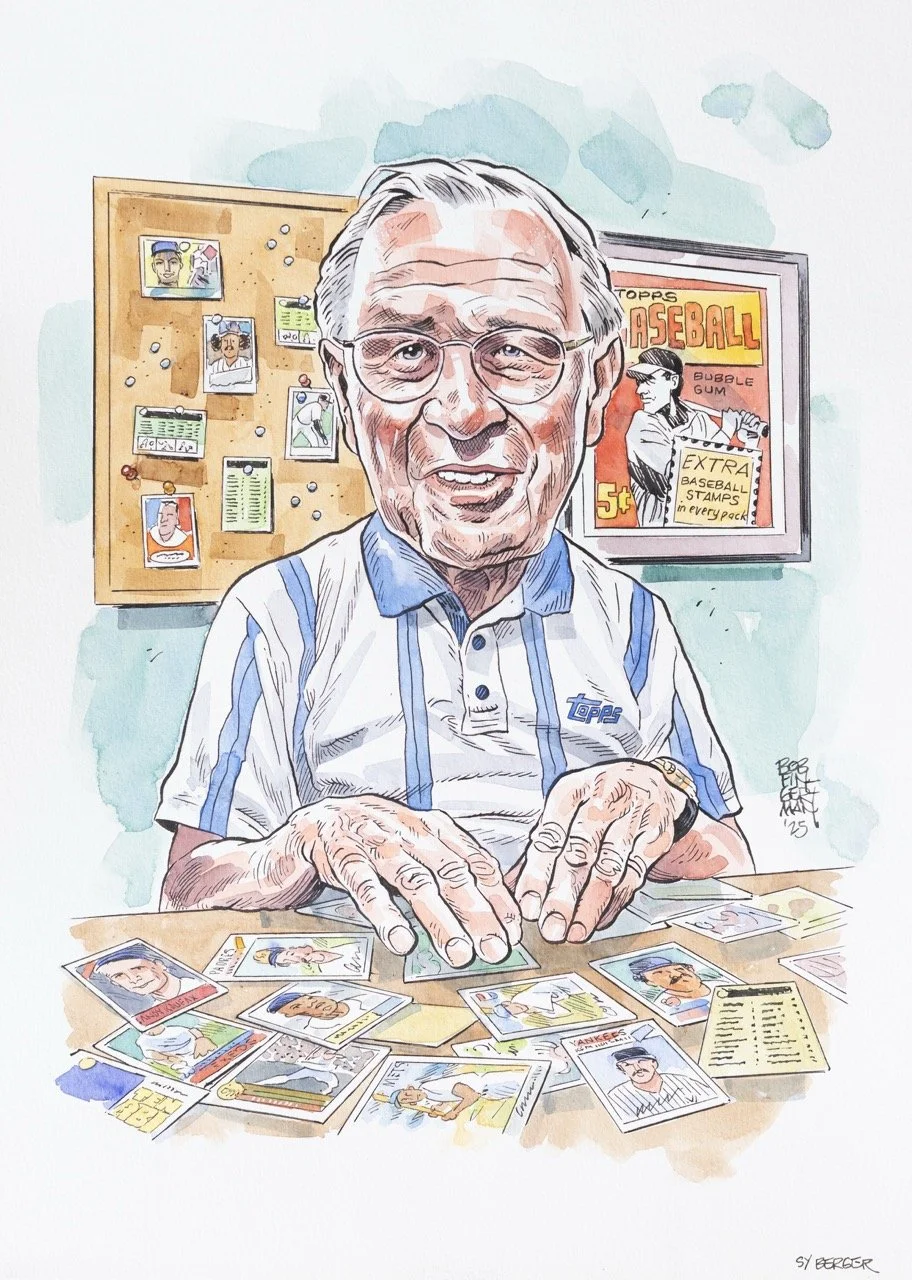
THE PRESERVATIONIST
SEYMOUR 'SY' BERGER
(1923-2014)
Born on Manhattan's Lower East Side, Sy began a 50+ year career as an executive with the Topps bubble gum company in 1947. Along the way, he became known as The Father of the Modern Day Baseball Card through his role in creating the ground-breaking Topps 1952 baseball card series and the annual sets which followed. Before the 1952 set, baseball cards had been small and lacking in information about the players. Sy changed all that when he co-designed the 1952 card set on the kitchen table of his Brooklyn apartment, making the cards larger, more colorful and chock-full of interesting facts. Before 1952, Topps had been focused on selling Bazooka bubble gum, but the 1952 set changed Topps' focus onto the baseball cards that they included with the gum (which was wrapped in a waxy comic strip.) Over time, Sy became the face of the Topps company to the public as well as the baseball players themselves, for it was he who negotiated the annual ballplayer endorsement contracts and then paid them in merchandise such as TVs, refrigerators and carpeting. In 1960, in a move which had major ramifications for the industry, Sy had the remaining multiple garbage truck-sized loads of 1952 cards put on a barge and dumped into the Atlantic Ocean because at the time nobody wanted those cards. This move unknowingly created scarcity and resulted in collector fervor for the remaining product, thus supercharging growth in the baseball card business and turning it into a billion dollar industry.
INK & WATERCOLOR, WITH GOUACHE HIGHLIGHTS, ON WATERCOLOR PAPER (AND THE DRAFT), 13x18
BoB FINGERMAN (2025)
THE DRAFT
THE VOICE
MEL ALLEN (1913-1996)
ACRYLIC ON CANVAS, 16x20
EDGAR J. BROWN (2024)
Mel was an Alabaman, born Melvin Israel, who became the most famous broadcaster in America. Known as The Voice, this Southerner with a law degree was renowned as the announcer for the NY Yankees and then for the TV program ‘This Week in Baseball’. Mel's fame peaked when radio, not TV, ruled the airwaves. Once, when a broadcasting a boring TV baseball game, he woke up his listeners by reciting Longfellow's famous poem Song of Hiawatha. Mel is the only person to broadcast a Major League game in seven different decades, and the first to receive the Ford C. Frick Award bestowed on broadcasters by baseball's Hall of Fame. His signature baseball calls were How 'Bout That! for an unusual play, and Going, Going, Gone! for a HR. Because Mel was prematurely bald, he generally wore a fedora hat, and that became one of his trademarks. Mel was so beloved that an ecumenical memorial service was held for this nice Jewish boy at NYC's St. Patrick's Cathedral, and there is a plaque honoring him at Yankee Stadium's Monument Park.
CARTOON ON WOOD ADVERTISING PLAQUE FOR BALLANTINE BEER, 10x13
BILL GALLO (1950's)
[Not Original]
Collections By Era
-
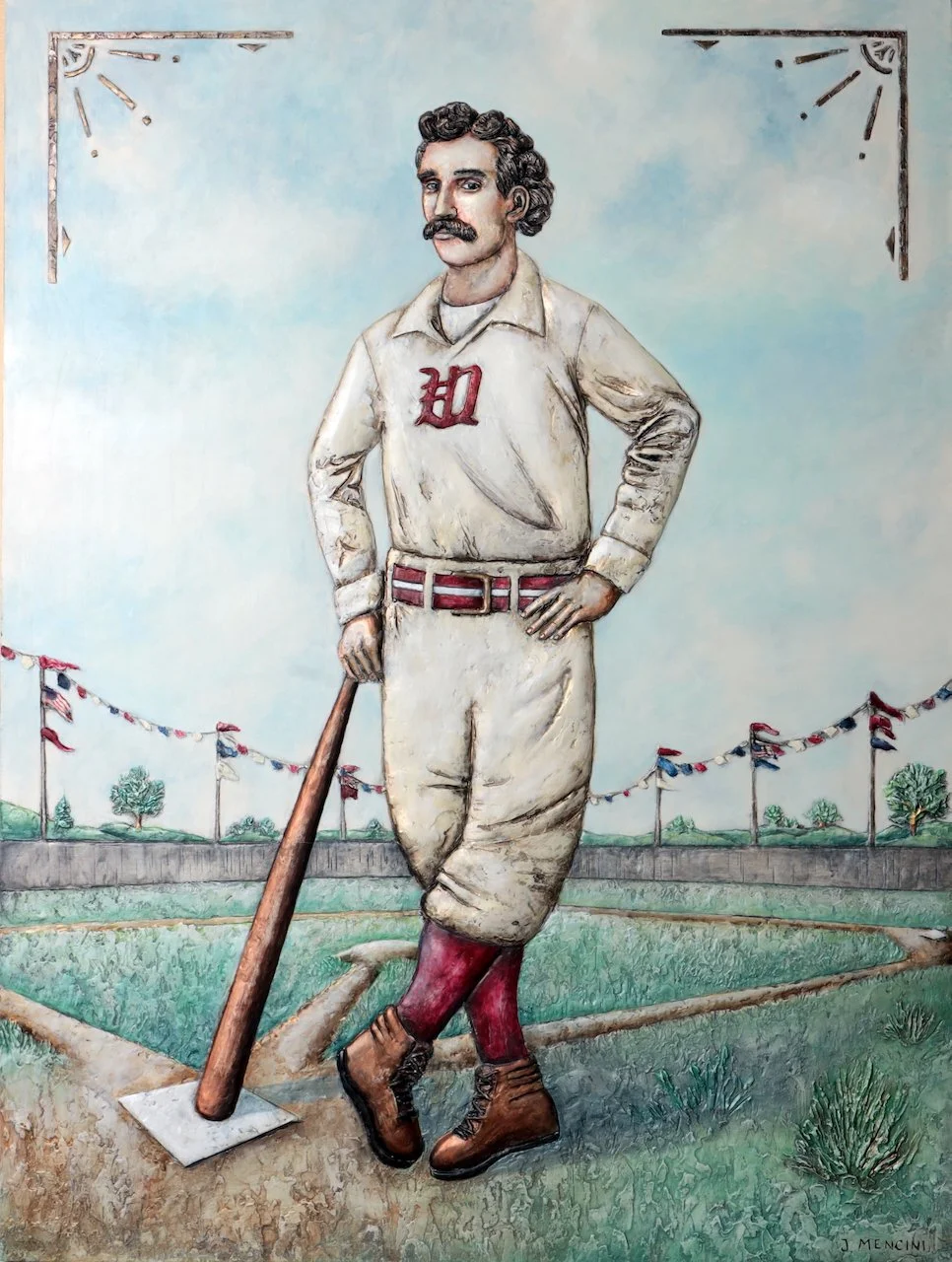
BECOMING AMERICAN
(1870’s-1910’s)
-
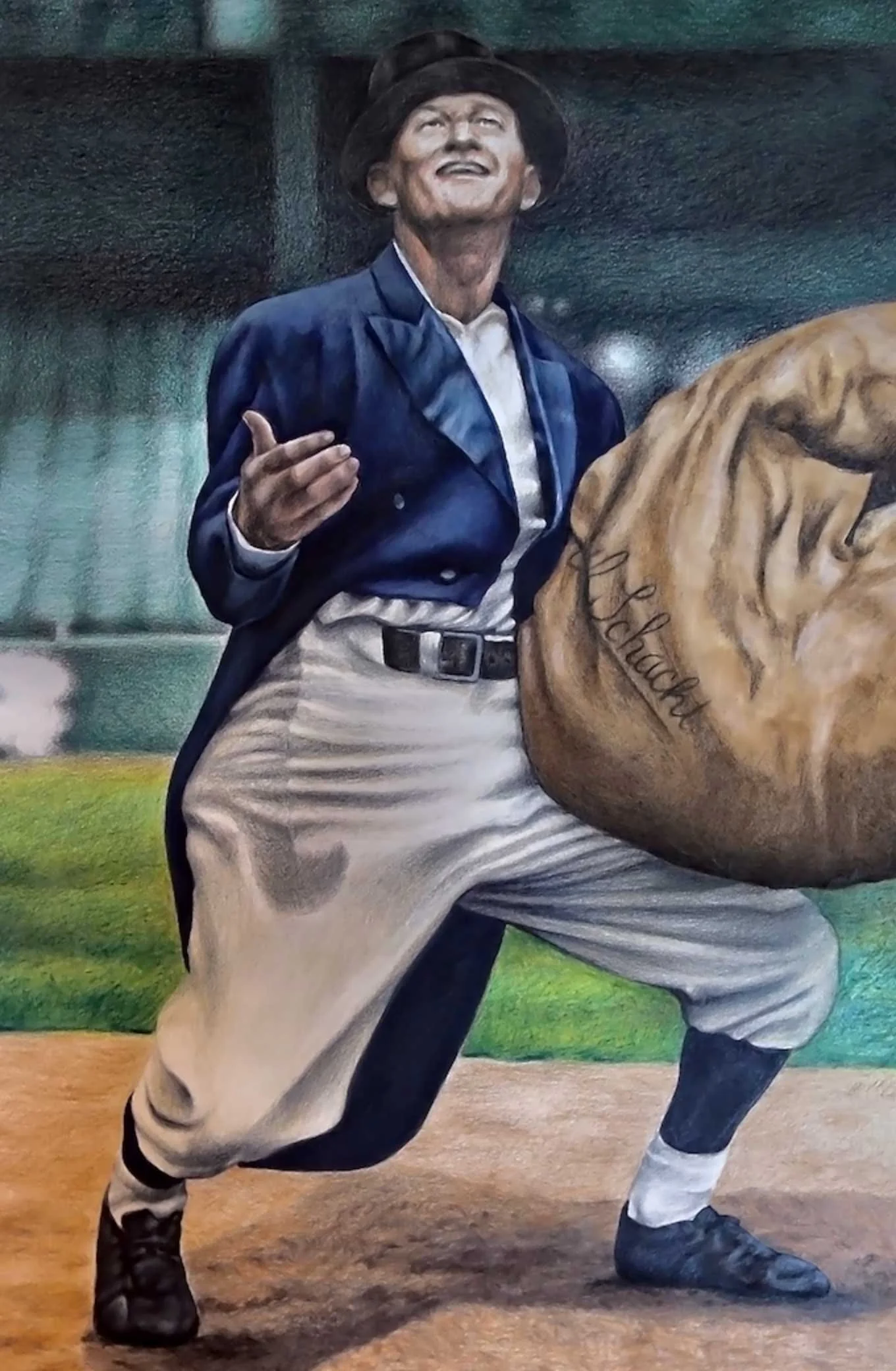
IDENTITY CRISIS
(1920's)
-
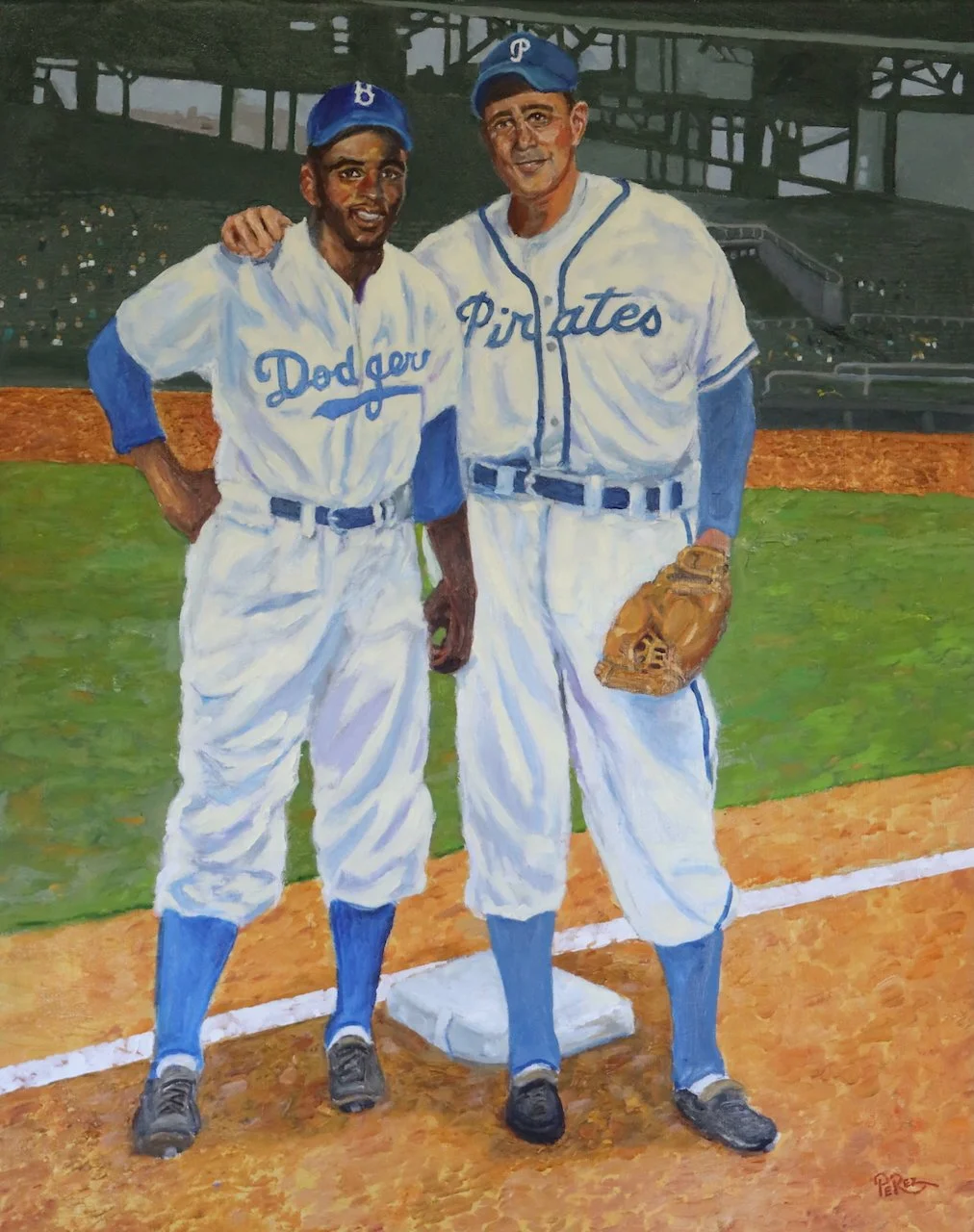
EMERGENCE
(1930’s - WORLD WAR II)
-
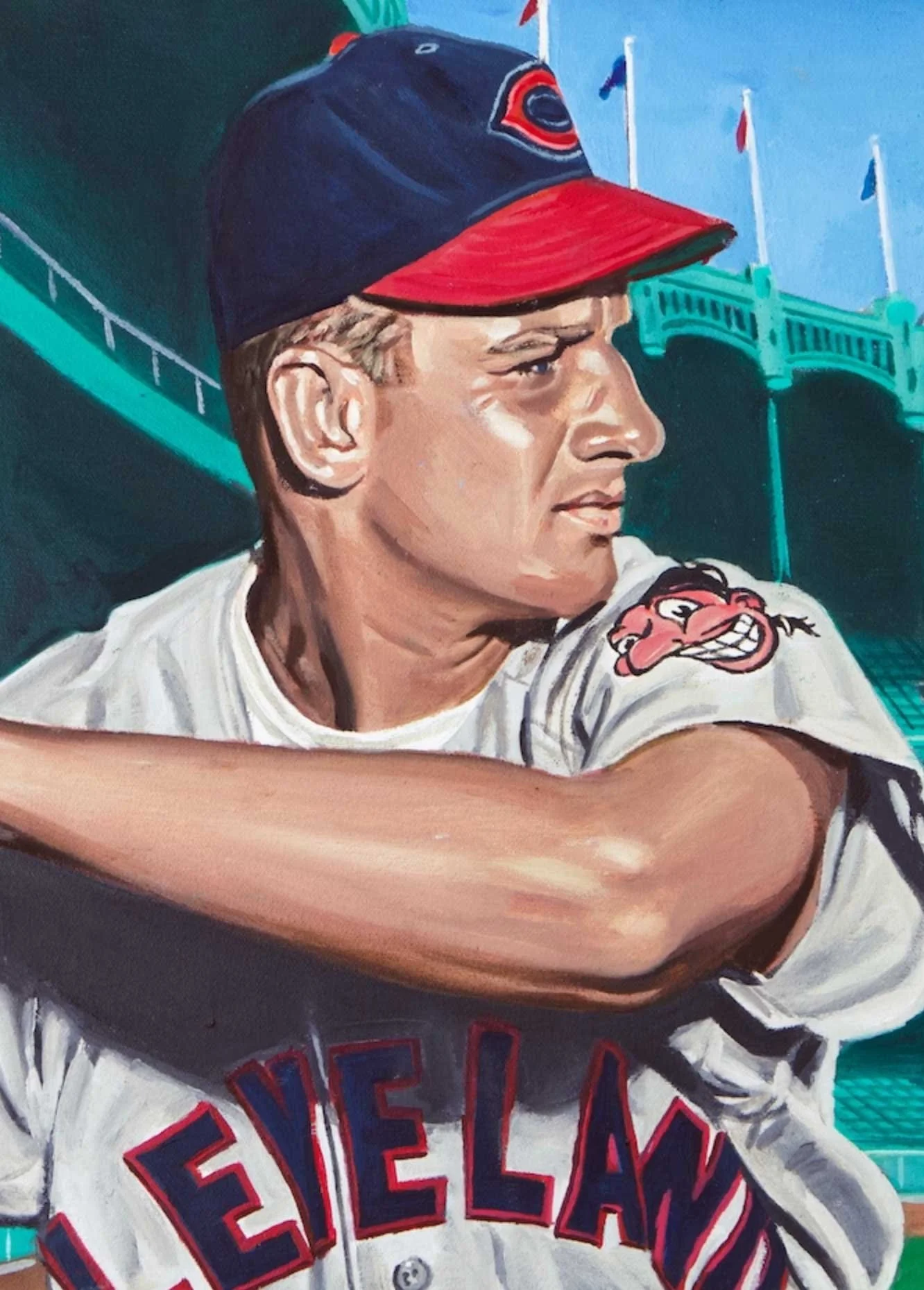
LIFE AFTER HANK
(POST WW II - 1950’s)
-
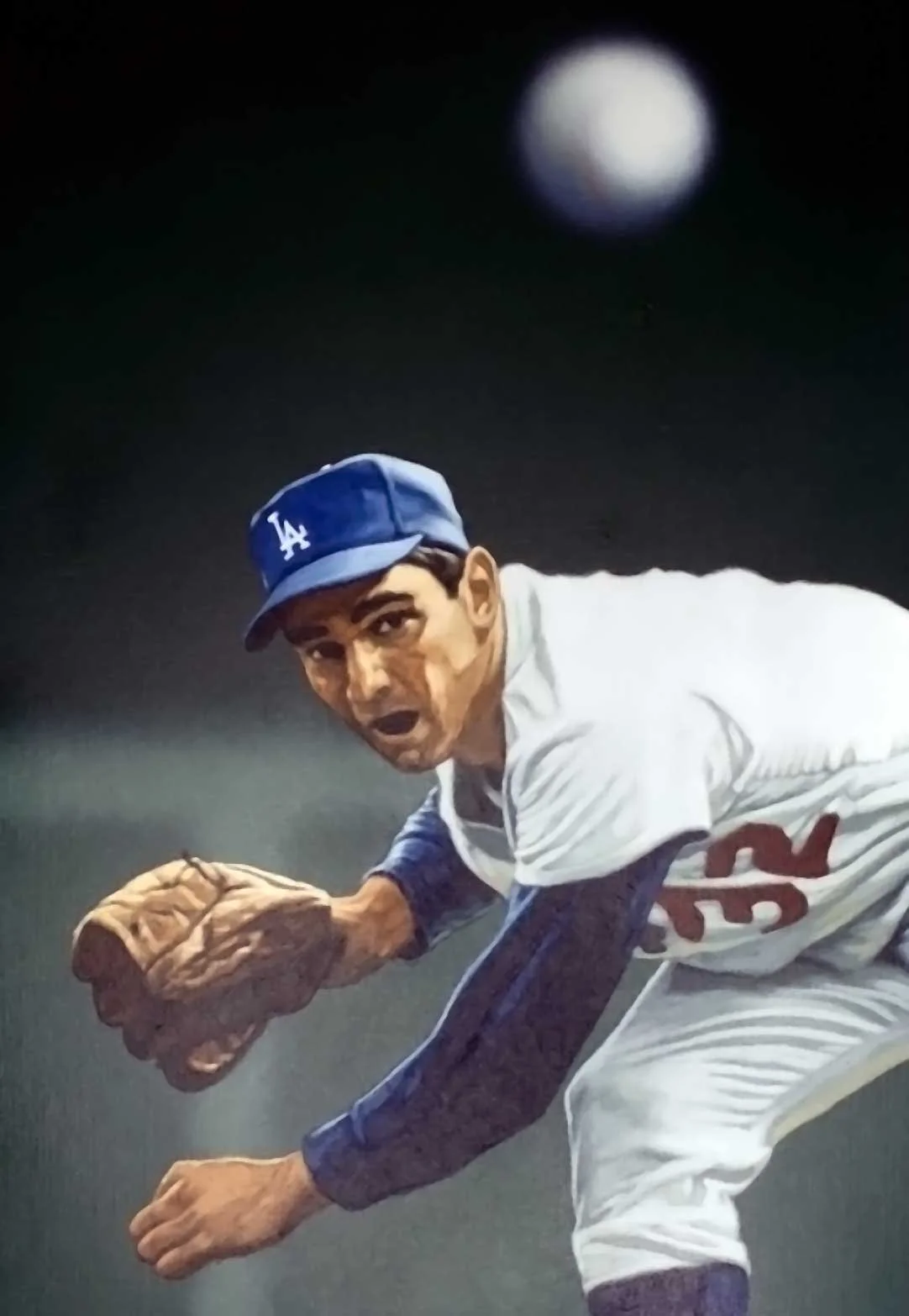
ACCEPTANCE
(1960’s-1970’s)
-
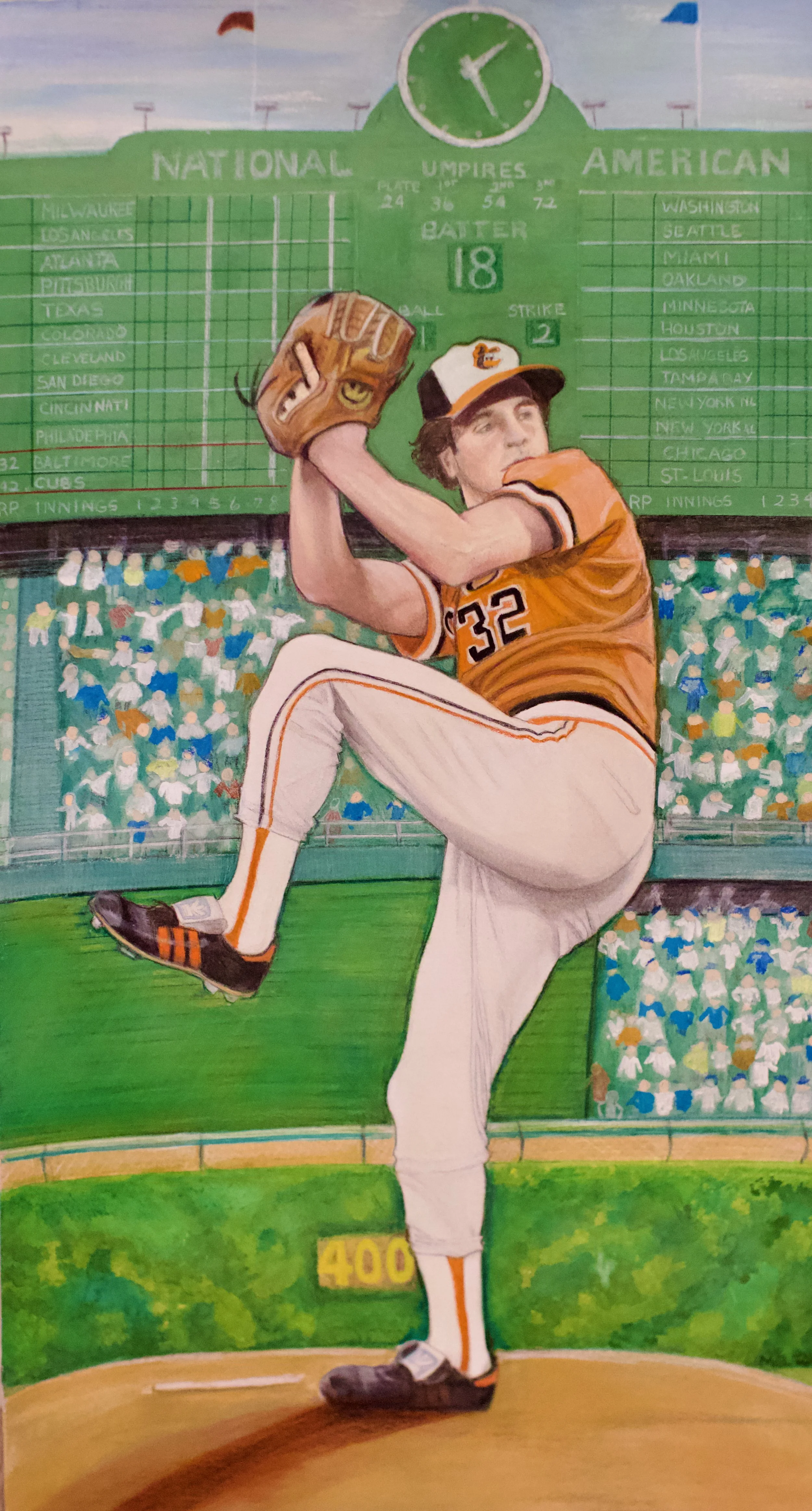
THE VANISHING
(1980's)
-
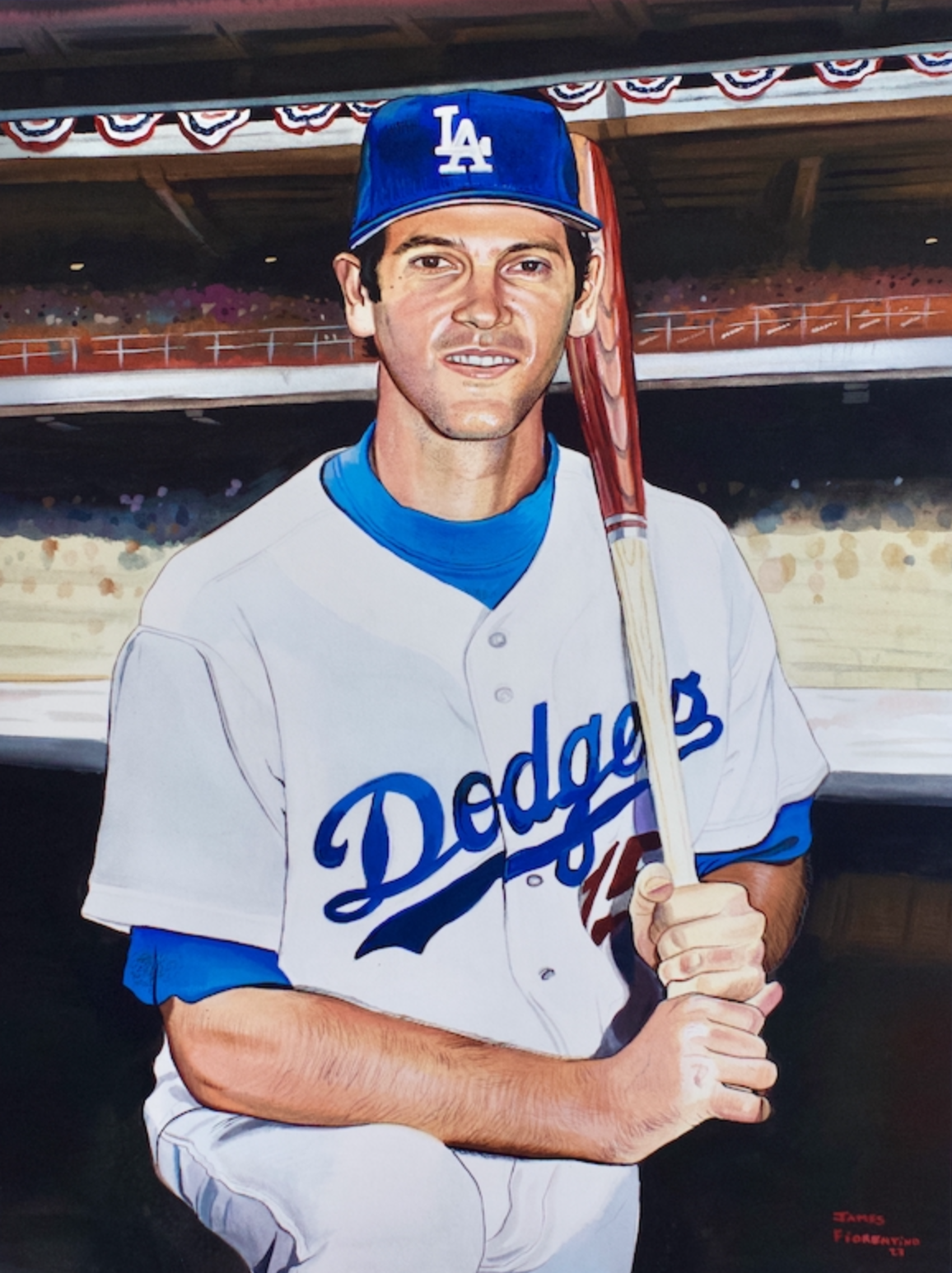
THE RETURN
(1990’s - 2000’s)
-
A BRIGHT FUTURE
(2010’s - Present)